
Message from Dr Neha Issar-Brown, CEO of the British Pharmacological Society
Joining the British Pharmacological Society in the final month of 2025 has given me a rare perspective of the extraordinary work that took place across the year. I saw the impact up close through meeting so many of you – our exceptional global community – at Pharmacology 2025 in Belfast. What struck me from the outset was that this is a community with the ambition, credibility and deep commitment to not only advance pharmacology for the benefit of science, healthcare and society, but to help shape what comes next.
Read full message
This Annual Review highlights a year where we demonstrated the value of combining scientific leadership with practical delivery, while investing in the future. From leadership in pharmacogenomics, to a new PhD funding programme, an MBBS Clinical Pharmacology curriculum, a new website shaped by our members and growing BPS Assessment as a high-quality platform supporting prescribing standards, these achievements show a Society turning expertise into impact.
As we look ahead to our 2026–2030 Strategy, the opportunity is clear: to focus our efforts where the Society can make the greatest difference. The foundations for that next phase were strengthened in 2025, and I want to thank all our members, volunteers, partners and staff whose commitment, expertise and generosity made that possible. I am excited to work with you in the year ahead as we build on this momentum and shape the Society’s next chapter together - one that positions the pharmacological community to lead with even greater clarity, confidence and purpose.
Message from Professor Sir Mark Caulfield, President of the BPS 2024-2026
2025 marked my final year as President, and it has been an immense privilege to serve our community during a period of such growth, energy and innovation.
Read full message
This year we surpassed 5,000 members for the first time, strengthened our leadership in pharmacogenomics, expanded our international footprint, and saw early career colleagues take on increasingly influential roles across the Society.
I have been particularly excited by the new Sir David Jack PhD Scholarship scheme funded by a donation from the Jack family. Alongside the AJ Clark PhD studentship, this means the BPS can now offer five young people a PhD, each year for up to ten years. The future of any learned society is dependent on how it engages with and nurtures its future leaders. With the exceptional performance of our journals, and new partnerships that continue to amplify our scientific impact, the BPS is well-positioned for the future.
As I complete my presidency, I am confident that the Society is entering its next strategic cycle with clarity, momentum and a strong sense of purpose. Thank you for the opportunity to serve, and for the remarkable contributions you make to our discipline every day.
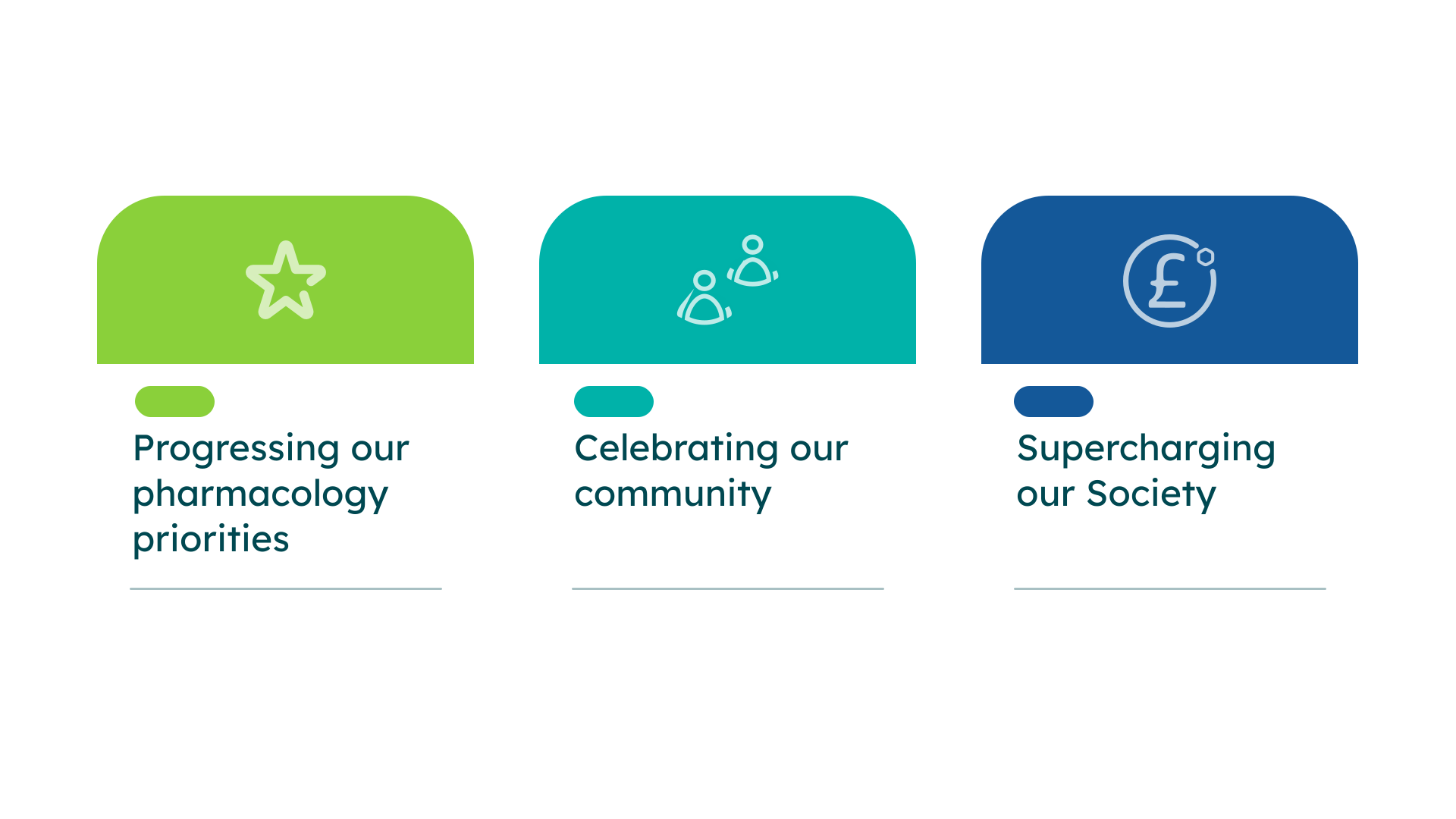
The Annual Review provides us with the opportunity to look back at and reflect upon the accomplishments of the BPS over the past calendar year. In doing so, we can divide these milestones into three distinct sections: progressing our pharmacology priorities which lies at the very core of our organisation, celebrating and connecting our global community, and supercharging our Society to strengthen the BPS even further.
Progressing our pharmacology priorities
Driving national leadership in PGx and clinical pharmacology
Our role as a national leader in pharmacogenomics (PGx) continued to grow. The UK Pharmacogenomics and Stratified Medicine Network expanded to 1,190 members, reflecting the rising momentum behind personalised medicine.
Read more
We successfully delivered the Network’s Annual Meeting, bringing together 130 experts to share breakthroughs, challenges and future direction for PGx implementation.
A major highlight was successfully using an Innovate UK grant to establish the Centre of Excellence in Regulatory Science and Innovation in Pharmacogenomics (CERSI-PGx). The CERSI-PGx project aims to publish guidelines, industry pathways, and educational platforms to support regulators, healthcare professionals, and researchers in essential PGx topics. Working closely with Professor Sir Munir Pirmohamed and colleagues at the University of Liverpool and Queen Mary University of London, we developed six eLearning modules to upskill regulators in essential PGx topics. Launched in December 2025, these free modules are now available on the BPSA platform and will support national efforts to embed PGx into routine care. To create cohesion across the Society’s activities, we also launched a new PGx Working Group, bringing together expertise from across the Society.
Expanding our events and training reach
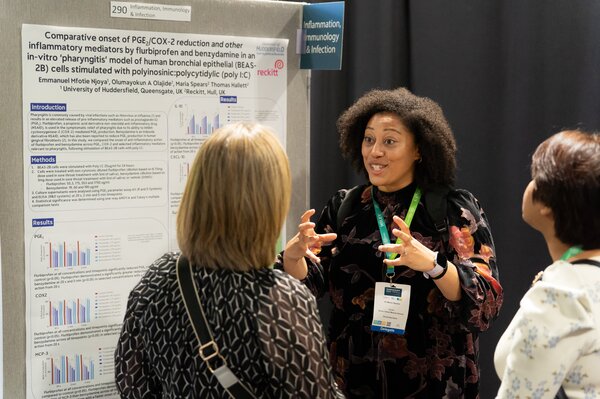
Across the year, we delivered 24 events, including the Annual Meeting, eight National Virtual Training sessions, specialist focus meetings, webinars, Specialty Registrar training and a range of workshops. In total, these generated more than 2,500 registrations, highlighting the growing demand for high-quality, accessible pharmacology education.
Elevating the Annual Meeting experience
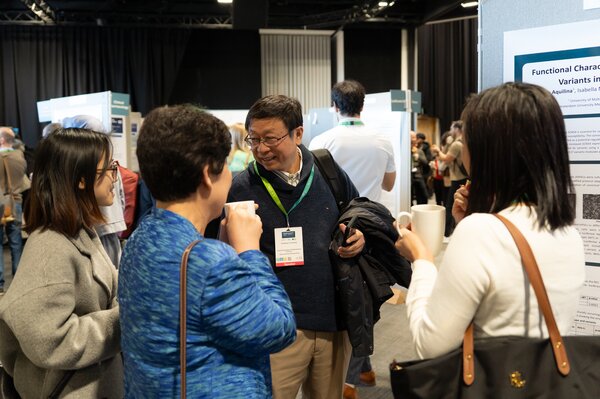
Pharmacology 2025 was a very successful meeting, attracting 785 registrations, which was an increase on 2024. We received excellent feedback on the vibrant scientific programme, as well as the social events, and on the ICC venue on the iconic waterfront in Belfast.
Read more
Here is just some of the feedback we received:
“BPS staff were excellent - helpful, friendly, encouraging.”
“Early career members very well represented with lots of opportunities for them to engage.”
“The gala dinner was amazing.”
“Everyone was so friendly and welcoming, great location, great opportunities to network.”
“Fantastic job by the meetings committee and all BPS staff involved in running this.”
This year we strengthened our commitment to inclusion and sustainability by introducing:
Live captioning for improved accessibility
Streaming of keynote sessions
A dedicated ECR reception
A significant expansion of bursaries, distributing £84,764 to 164 members
A new working group looking at ways to improve the environmental sustainability of our conference
Measuring the carbon footprint of the annual conference for the second year
Collaboration with a food donation local charity to reduce event waste
These changes reflected our determination to ensure that pharmacology remains welcoming, inclusive and environmentally responsible.
Watch recordings from selected keynotes and sessions on our YouTube channel.
BPS outreach at external organisations
Working with partners remained central to our progress. We contributed to scientific sessions at annual meetings of the American Society of Pharmacology & Experimental Therapeutics (ASPET) and the British Neuroscience Association (BNA) (the latter in collaboration with The Physiological Society), and delivered joint events with the BNA, British Toxicology Society and the Federation for Innovative Drug Research Netherlands (FIGON).
Read more
We showcased BPS at the European Association for Clinical Pharmacology and Therapeutics (EACPT)’s annual meeting and the London Biotechnology Show as well at The European Laboratory Research & Innovation Group annual Drug Discovery Meeting. We also deepened our engagement with UK university departments through joint conferences with the Universities of Cambridge and Oxford, with further University collaborations planned for 2026.
Following the success of our joint conference with AstraZeneca in 2024, we are planning ahead for a conference in October 2026 which will be a three-way collaboration between AstraZeneca, GSK and BPS, strengthening our relationship with industry and opening up new partnership opportunities.

Enhancing digital engagement and accessibility
A major milestone was the launch of our new BPS website on 2 December 2025. Co-created with extensive member input, the new platform offers clearer navigation, improved accessibility and better discovery of related content, closely following Web Content Accessibility Guidelines.
Read more
Conducting research testing with members across the Society at different stages in their career, such as Professor Jim Ritter, greatly enhanced our ability to curate the website to meet our members' needs.
Our newly appointed Community Content Officer helped broaden our digital output, delivering articles, features, social media video and blogs that brought pharmacology concepts to life for members and the wider scientific community.
Championing education and training
Our Education and Training Committee met regularly to share projects, strengthen connections and ensure pharmacology education remained visible across national and global platforms - including the BPS Annual Meeting and preparations for the World Congress of Basic and Clinical Pharmacology 2026 in Australia.
Read more
We launched a new Educator Network Bulletin, now reaching more than 350 educators, providing regular updates, opportunities and resources.
Updated guidance on PGx for assessing the effectiveness of clopidogrel treatment was published and disseminated through the British Journal of Clinical Pharmacology (BJCP), supporting evidence-based clinical decision-making.
We also celebrated the launch of the new MBBS Clinical Pharmacology Curriculum in December 2025 at the Society’s annual meeting. This was both a major step toward strengthening pharmacology education for the next generation of doctors, and an excellent example of how two committees working together (Education and Training and Clinical Committees) can produce outstanding results.
Celebrating and connecting our community
Supporting trainees and early career pharmacologists
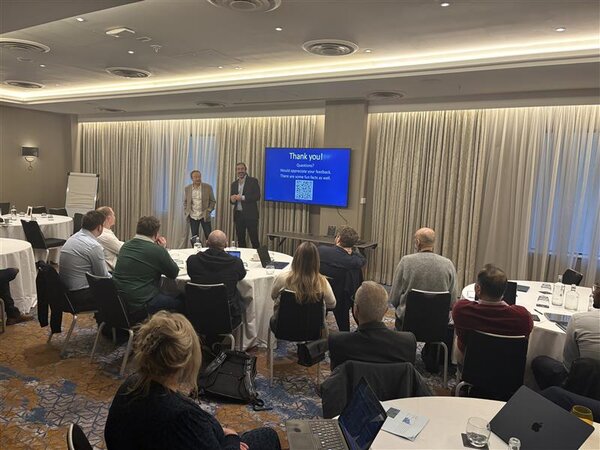
This year saw major progress in how we support Specialty Registrars (StRs) and early career pharmacologists. We continued with our monthly online training programme, shaped by members of the Clinical Committee, ensuring StRs have regular access to expert-led learning. This was complemented by monthly Trainee Bulletins spotlighting opportunities, updates and resources across the wider sector.
Read more
At Pharmacology 2025, we hosted a dedicated in-person trainee training day, giving early career colleagues the chance to present their work, develop skills and build visibility within the community. The StR Subcommittee met three times over the year, contributing to policy discussions and advancing several collaborative trainee-driven projects. We also equipped trainees with BPS literature to help promote the specialty in their institutions, strengthening our reach and influence.
Building meaningful regional engagement
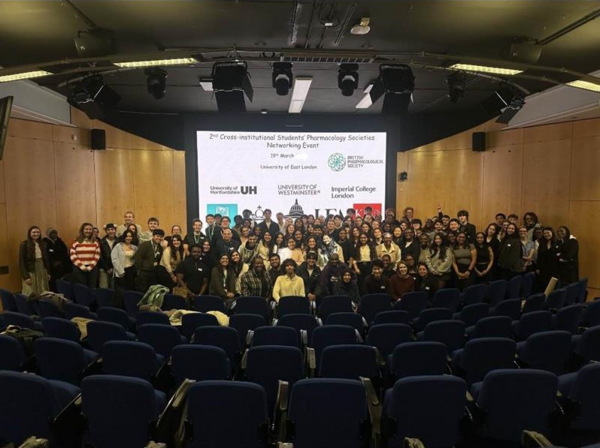
We strengthened our regional impact through a major cross-university engagement event involving ten universities across the South of England. This brought together students, educators and early career researchers to build networks and raise awareness of opportunities in pharmacology.
Read more
This vibrant student event, which was in its second year, was organised by some of our BPS Ambassadors and supported by the Community Engagement Officer. Funded by Ambassador Grants, the success of the event showcases the power of the Ambassador scheme to reach new members at the earliest point in their pharmacology careers.
Our Ambassador Scheme prioritised meaningful engagement in 2025. After a selective, Committee-led recruitment process, we appointed five new Ambassadors, bringing the network to 28 dedicated advocates.
The scheme is now well-positioned for further growth in 2026, when we plan to strengthen activity reporting and deepen ties with universities offering standalone pharmacology degrees.
Embedding the early career voice in governance
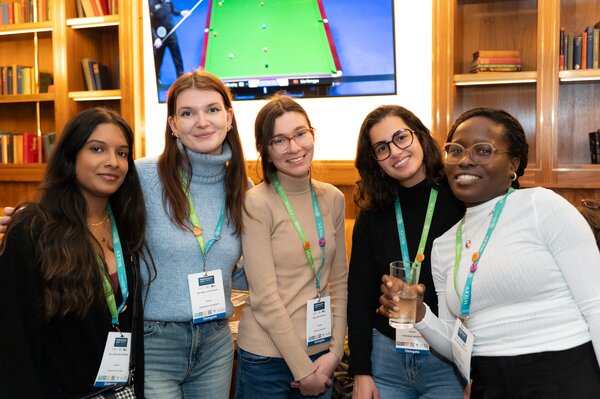
A significant achievement in 2025 was the expansion of our Early Career Pharmacologist Advisory Group (ECPAG) to 25 members, including — for the first time —five undergraduate representatives. This ensures that our governance structure reflects the full member journey, from undergraduate to senior Fellow.
Read more
Early career members took on prominent leadership roles at our flagship events; most notably, members of the ECPAG chaired a panel for Professor Manuel Mayr’s career talk at Pharmacology 2025. This session provided the wider ECR audience with insightful experiences and invaluable professional guidance. Beyond the conference, our Early Career Researchers represented the Society at the "Voice of the Future" event in Parliament, laying a vital foundation for the Society’s growing policy and advocacy engagement in 2026.
Early Career Life Scientists’ (ECLS) Symposia
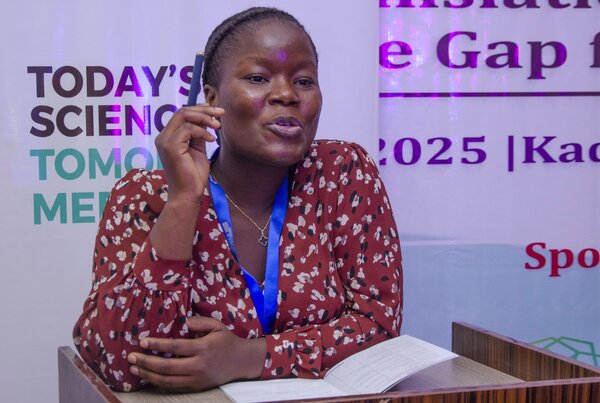
The Early Career Life Scientists' Symposia grant (in collaboration with The Biochemical Society and The Physiological Society) supported two events in 2025.
Read more
In May, Kaduna State University in Nigeria hosted a two-day conference themed 'Translational Cancer Research: Bridging the Gap from Bench to Bedside', bringing together delegates from across Nigeria for workshops on grant writing, bioinformatics, and scientific communication, alongside keynote sessions and a networking dinner and career exhibition. The conference also served as a platform to promote BPS membership, with an increase from Nigeria anticipated as a result.
In September, a further ECLS Symposium was held at the Institute of Research and Innovation in Health (i3S), University of Porto, Portugal, themed 'Biomaterials Engineering: Working at the Crossroads of Physiology, Biochemistry and Pharmacology'. The event featured keynote presentations, oral and poster presentations, a career paths round table, and a career development workshop. Sustainability was also woven into the event through eco-friendly touches such as biodegradable seed paper badges.
Together, these events reflect the breadth and impact of the ECLS grant in fostering scientific excellence, career development, and community building across diverse geographies and disciplines.
Engagement Grant Spotlight
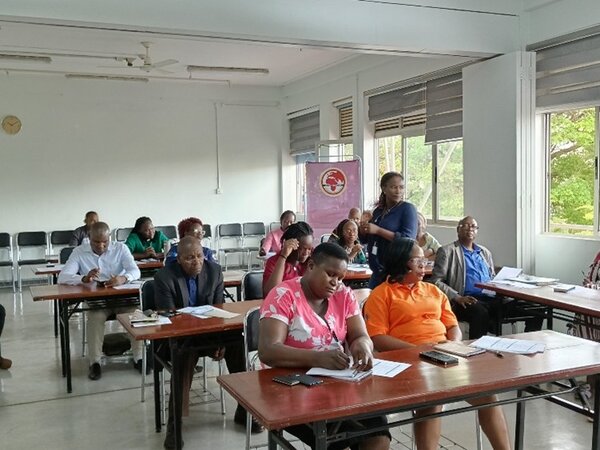
The Engagement Grant awarded to Professor Catriona Waitt at the Infectious Diseases Institute (IDI) at Makerere University, Kampala, supported the Community Engagement for Action project; an initiative designed to strengthen community participation in healthcare research and decision-making across the Kampala Metropolitan area.
Read more
Working through an existing Community Advisory Board (CAB), the project trained community members to become ambassadors of research dissemination, reaching over 210 people through sensitisation meetings, focus group discussions, and health education campaigns. Topics covered ranged from infectious disease prevention and mental health to gender-based violence and responsible antibiotic use, with sessions delivered in local languages and tailored to the cultural context of each community. The project fostered meaningful dialogue between researchers, healthcare providers, and underserved populations - including women, youth, and persons with disabilities - resulting in improved trust in healthcare services and greater community engagement in research. Participants reported increased confidence in researchers and a better understanding of their rights in accessing health services, with several community members going on to become local health advocates.
Enhancing membership value and accessibility
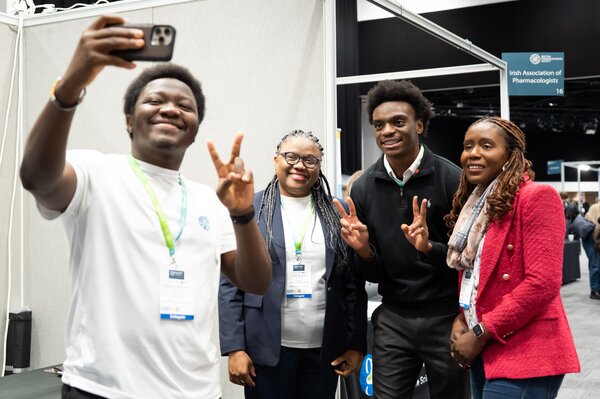
Following a comprehensive review of categories, benefits and fees — benchmarking against peer societies, we reaffirmed that BPS membership offers excellent value.
Read more
Fees were frozen for all categories except Affiliate Membership, which was reduced significantly to better support healthcare professionals and others connected to pharmacology. Benefits are now more clearly communicated through our new website, helping members understand the full value available to them.
Reaching a major membership milestone
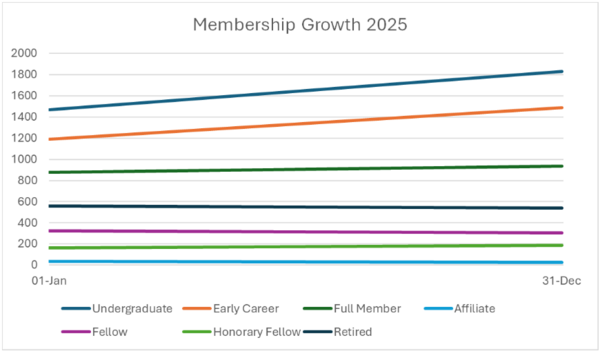
In 2025, Society membership surpassed 5,000 for the first time. Growth was strongest among undergraduate members and early career members (both increased by 25%), reflecting our refreshed engagement strategy and expanded training provision. Full Membership also exceeded 900 for the first time since 2021.
Read more
We launched our first BPS Live Prize Lecture webinar, elevating our prize winners and enabling international members to access award-winning science more easily. The success of the webinar really highlights the important part our members play in advocating for the Society to their colleagues and students.
Supercharging our Society
Evolving our partnership approach
In 2025, the Society navigated a challenging environment for sponsorship and partnership-related income. While this created short-term pressures, it also provided an important opportunity to reassess, refine and futureproof our approach. Over the year, we laid the foundations for a more resilient and diversified income model that will support our ambitions in the years ahead.
Read more
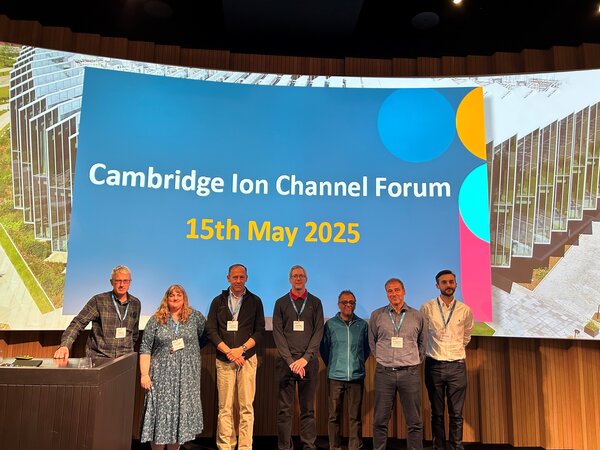
We co-delivered the Cambridge Ion Channel Forum alongside AstraZeneca and Metrion Biosciences and began exploring new collaborative opportunities for 2026 and beyond.
To strengthen the quality, clarity and sustainability of future partnerships, we developed a new partnership assessment framework. This embeds project management principles — clearer scopes, timelines, business cases and resource requirements-ensuring that future collaborations are aligned with our strategic priorities and deliver measurable value.

Expanding visibility through innovative channels
In 2025 we continued exploring new social media channels to promote the Society, including Instagram, Bluesky and Reddit. Instagram has proved particularly successful for engaging with younger audiences (primarily undergraduate and early career-stage audiences), especially our posting of more immediate content from our events, as well as “behind-the-scenes" style content.
Read more
We continued to test new routes for raising the visibility of our journals portfolio by sharing editor-selected papers and highlights on Reddit, reaching both specialised pharmacology communities and broader science audiences. These experiments provided useful insight into how we can diversify our reach and engage with new readers.
We also put more focus on amplifying our members' social media content, by engaging with and resharing their posts about their successes, projects, and events they have attended.
Maintaining strong journal performance
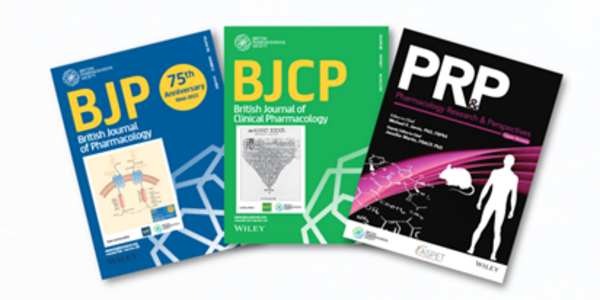
Journal performance remained robust. We achieved 15% growth in published articles in 2025, supported by a 36% increase in submissions.
Read more
Growth was particularly strong from China, which is now our largest source of submissions. While this increased output is positive, it also created additional pressure on peer reviewers and editorial board members — an area we are actively monitoring and supporting.
At publication, more than 60% of our portfolio is available as Open Access (OA), delivered through a mix of Gold OA and transformative agreements. The transition to OA within the British Journal of Pharmacology and the British Journal of Clinical Pharmacology slowed slightly in 2025, with hybrid OA output at 53%, compared with 55% in 2024. Nevertheless, due to growing output, visibility and reach, articles in the Society’s three journals were downloaded almost eight million times in 2025.
Strong performance in BPSA sales
The BPS Assessment (BPSA) is the learning and assessment arm of the BPS whose mission is to improve prescribing skills among medical and non-medical prescribers. Sales of BPSA remained strong throughout 2025. Income exceeded £0.5 million, ending the year at 97% of budget with a renewal rate of 97.5% and 6% year-on-year growth.
Read more
We closed the year with 46 accounts, including 25 multi-year agreements, demonstrating continued trust and stability in the platform.
A major development was the launch of the EPS Simulator in August 2025. This new feature significantly enhances the authenticity of prescribing scenarios, supporting formative assessment and team-based learning for medical students and clinicians.

Expanding opportunities for future scientists
This year we secured a substantial philanthropic donation to transform our PhD funding programme. The donation enables us to grow the AJ Clark Studentship and Sir David Jack Scholarship schemes, meaning we will support 50 PhD students over the next decade — a significant, long term investment in the future of pharmacology.
Our Strategy – towards 100 years
Our governance review progressed throughout the year and will run in parallel with the development of our 2026-2030 Strategy.
Read more
This strategy was shaped through an inclusive and rigorous process involving staff, trustees and members across multiple workshops and consultations. Together, these efforts ensure we enter the next strategic cycle with strong foundations, clear priorities and a governance model that supports our long-term ambitions.

Financial Statements
Download a PDF of the British Pharmacological Society’s financial statements for the year ended 31 December 2025.
The financial statements include the Financial Review, Statement of Financial Activities and Balance Sheet, together with the Notes to the Accounts. They show the overall financial performance of the Society and provide an analysis of the incoming resources and how they were applied in the performance of the Society’s objectives.
Read more
Total Funds
The financial performance reported is of the “Group”, which means the Society together with its two trading subsidiaries, BPS Assessment Limited and BPS Trading Services Limited.
The total funds of the Group have increased by £4,719,140 and the resulting balance of total funds at 31 December 2025 amounted to £11,068,276.
Income
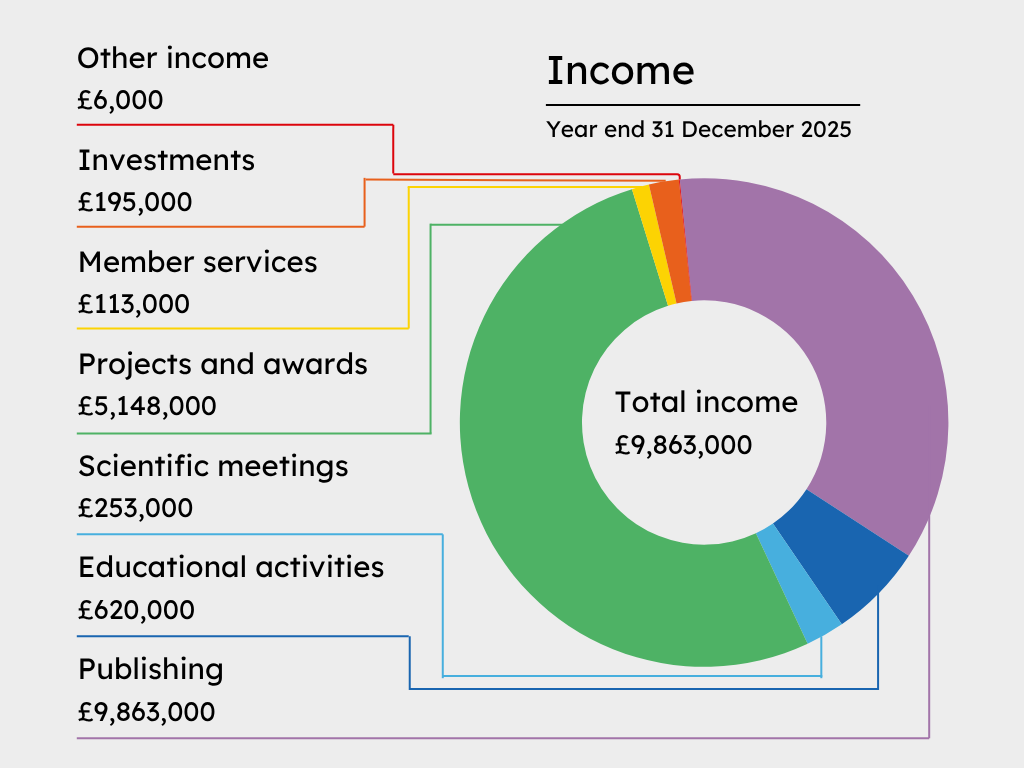
Income for the year totalled £9,863,328 which is an increase of 108.0% from 2024.
Charitable activity income from journal publishing, which is ordinarily the Society's main income source, has decreased by 0.1% to £3,528,716.
Member numbers increased by 15.0% to 5,308 and most of this increase is in categories that pay much less such as early career and undergraduate members.
Scientific meetings income decreased by £64,932 to £252,780. This decrease is mainly attributable to holding fewer meetings overall in 2025 compared with 2024 and lower than anticipated sponsorship income.
Educational income decreased by £19,175 to £620,280 most of which is attributable to a small decrease in restricted income for Prescribing Safety activities.
Investment income was £26,710 lower at £79,894 due to the initial instruction to CCLA, who became the Society’s new investment managers during August, for none of the overall return to be provided as income.
Expenditure
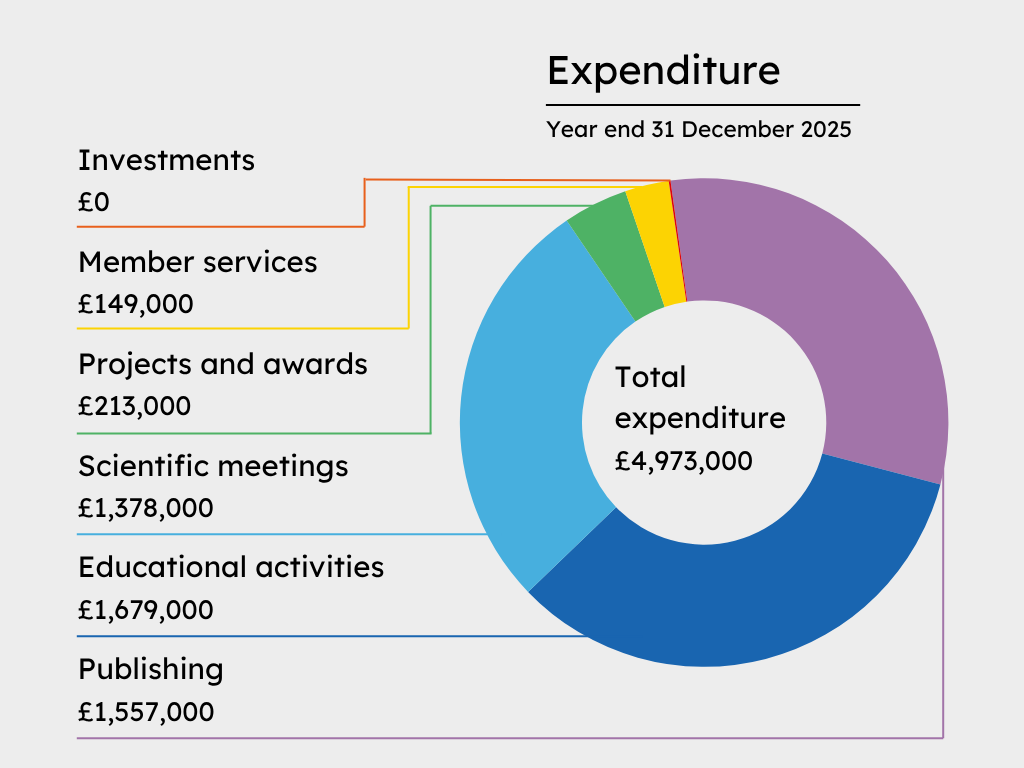
Expenditure on charitable activities totalled £4,967,940 which is a 15.5% increase of £667,013.
Journal publishing costs decreased by £31,421 to £1,557,373; reflecting decreased publisher costs and Society support costs associated with publishing.
Expenditure on educational activities at £1,677,257 was a 24.6% increase of £330,703 over the previous year due to an expected increase of costs in BPS Assessment Limited, largely relating to increasing consultancy and recruitment costs.
Due to awarding more prizes and awards, the expenditure increased by 5.1% (£10,277) to £213,285 over the previous year.
Scientific meetings expenditure at £1,374,903 was a 37.5% increase of £374,886 over the previous year. Due to a budgeted increase to the number of bursaries.
Capital expenditure totalled £65,640 for a combination comprising development of the new website that was launched in 2025, implementation of a new accounting system and enhancements to the prescribing assessment platform.